10 Taungurung words to learn before visiting Country
February 2, 2023
Australia is home to approximately 700 First Nations languages, most of which have been displaced since colonisation. Language is a key part of cultural identity and the Taungurung community is today proudly reviving their Taungurung language. Aunty Loraine Padgham – Taungurung Elder and Chair of the Taungurung Language Group, explains more about the revitalisation of the Taungurung language and provides us with 10 key words you too can learn and speak when on Taungurung Country:
Why is it important to heal the Taungurung language?
Our language is inextricably connected to our culture, our understanding of place and time. Embedded in our language is a story that is incomplete and needs to be reclaimed to be able to understand our ancestors, their way of life, the time in which they lived and their way of thinking.
What is the process for healing language?
Language revival of an oral language, that has not been spoken for many generations, has been a long and arduous task. From a collection of words and phrases recorded by early colonists, clergy, government officials and others, an analysis was undertaken to ascertain the sounds and pronunciation. These sounds were then represented by agreed community spelling principles. With the aid of linguistic techniques, an analysis of recorded phrases was undertaken to determine the underlying grammar of forming sentences. Many Taungurung Elders have contributed to our language reclamation to enable us to reach the point of being able to develop materials for future generations.
As a Taungurung Elder, how does it feel to speak revived Taungurung language on Country?
Developing a rudimentary skill of speaking basic Taungurung has been challenging and at the same rewarding. To be able to speak simple sentences and use words that have not been heard for many generations acknowledges those who came before us. It enables us to relate more closely with our ancestors by gaining an understanding of a thinking process that is quite different to English. It directly connects us with our country and history.
What is your hope for future of Taungurung language?
The hope is for members of community to have some understanding of the language. To be able to use simple greeting words, know the names of some plants and animals and have a knowledge of the meanings behind placenames. Each small step helps the community gain a greater understanding of our language.

1. Wumindjika (welcome)
Wumindjika is the Taungurung word for welcome and conveys respect and a cultural protocol dating back to a period prior to colonisation. A Wumindjika ceremony ensured neighbouring tribes were welcomed onto tribal lands, afforded safety, and the right to access Taungurung resources without harassment. Various forms of the same word, is a reflection that Taungurung has a slightly different language from other Tribes of the Kulin Federation.

2. wawa (hello)
This word is a more casual greeting to the more formal greeting of Wumindjika.

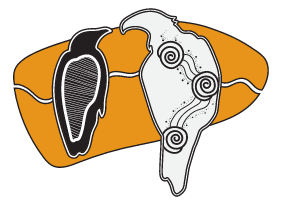
3. & 4. bundjil and waang (wedge-tailed eagle and crow - Taungurung moieties)
Taungurung clans are divided into two social categories or moieties, Bundjil and Waang. A moiety, which is determined by descent, dictates any interactions that takes place between clan and affiliated tribal groups when choosing eligible marriage partners and other cultural matters.

5. biik (country)
The traditional area of land occupied by clans of the Taungurung people is equivalent to approximately 11% of central Victoria. With such vast fertile lands, clan groups had custodianship of areas of land and seasonally moved across tracks of lands to access available foods without depleting those resources.
6. baahn (water)
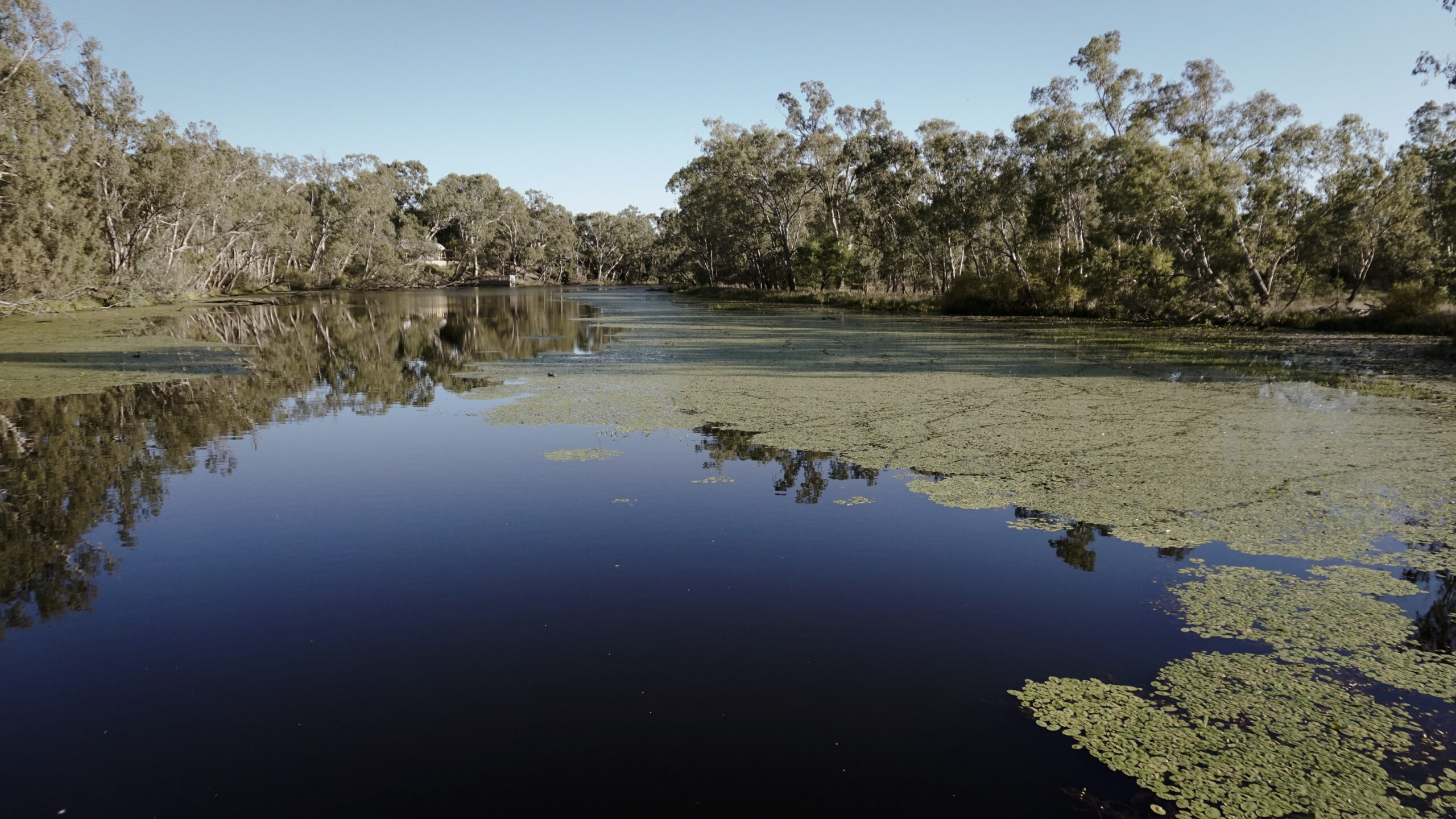
The waring (Goulburn River) Victoria’s longest river, is one of the many waterways that traverses Taungurung land to provide a constant supply of water. Regular rainfall in the high country fill streams and anabranches which provide habitats for an abundant supply of aquatic food.

7. ngurrak (mountain)
Ngurrak is one of the Taungurung words for mountains. This word is also found in other Taungurung words to describe a ‘spine’ or ‘backbone’.

8. guliyn ba badjurr (Aboriginal men and women)
The word Guliyn is associated with the word Kulin. Kulin is a word that is recognised as meaning ‘man’ in all the five related language groups which form the Kulin Federation.

9. ngun-godjin (thank you)
While it means thank you, more recently it has also become to mean ‘Regards’.

10. yanadherra (goodbye)
The prefix ‘yana’ of this word means ‘to go’.