wawa wayigalk (hello wattle!)

August 22, 2023

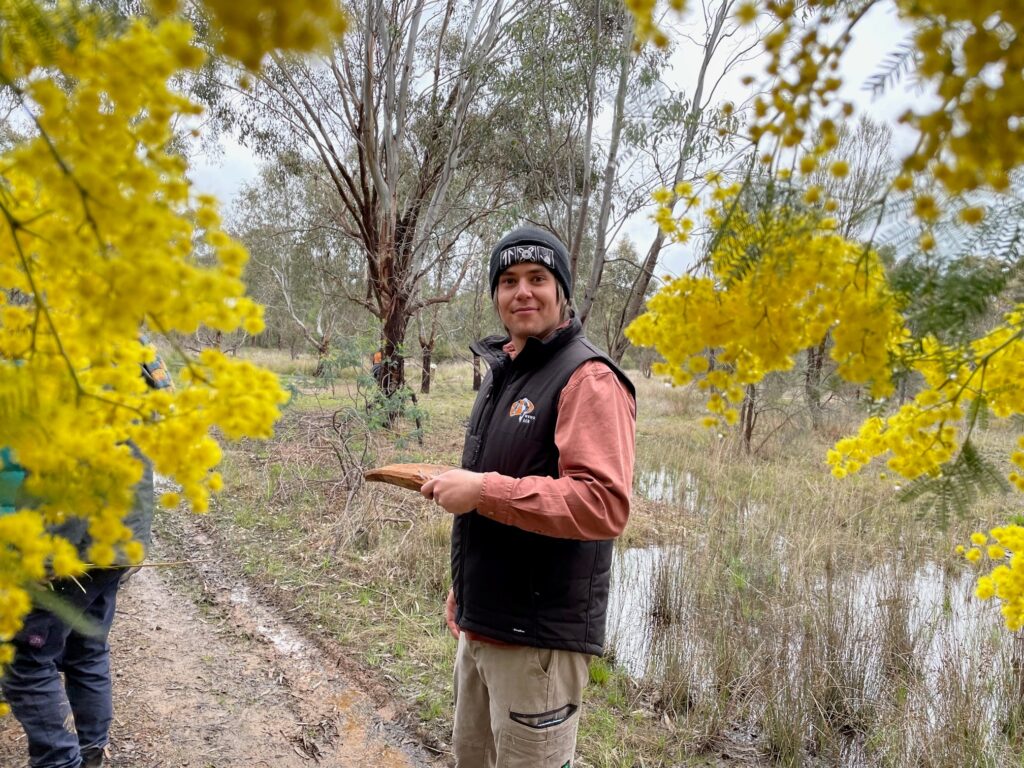
We are well and truly in wayigalk (wattle) season as Taungurung Country explodes with all shades of yellow this spring. Cath from the Euroa Arboretum walks us through what we’ll spot over the coming months on a wawa Euroa experience.

September

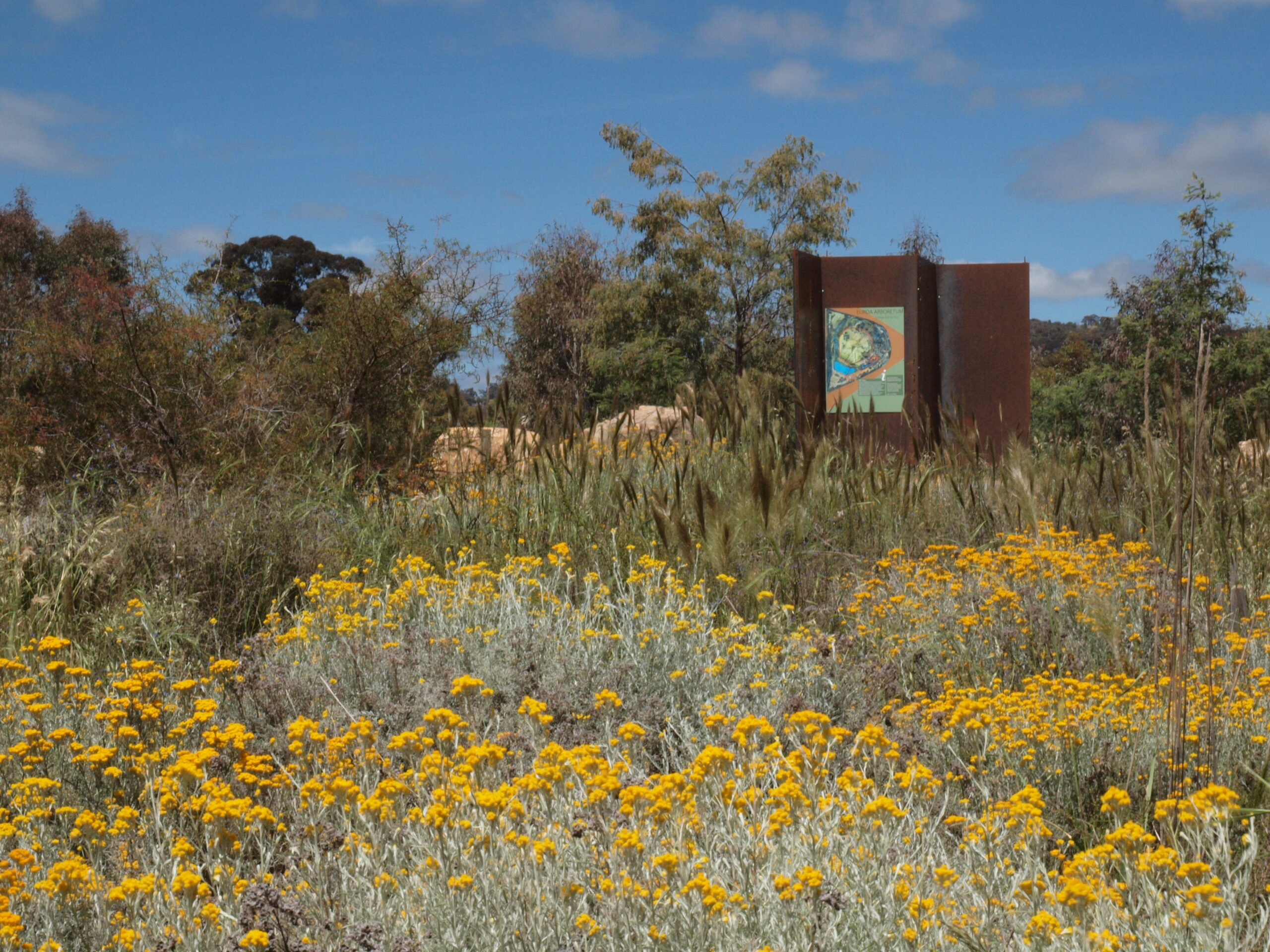
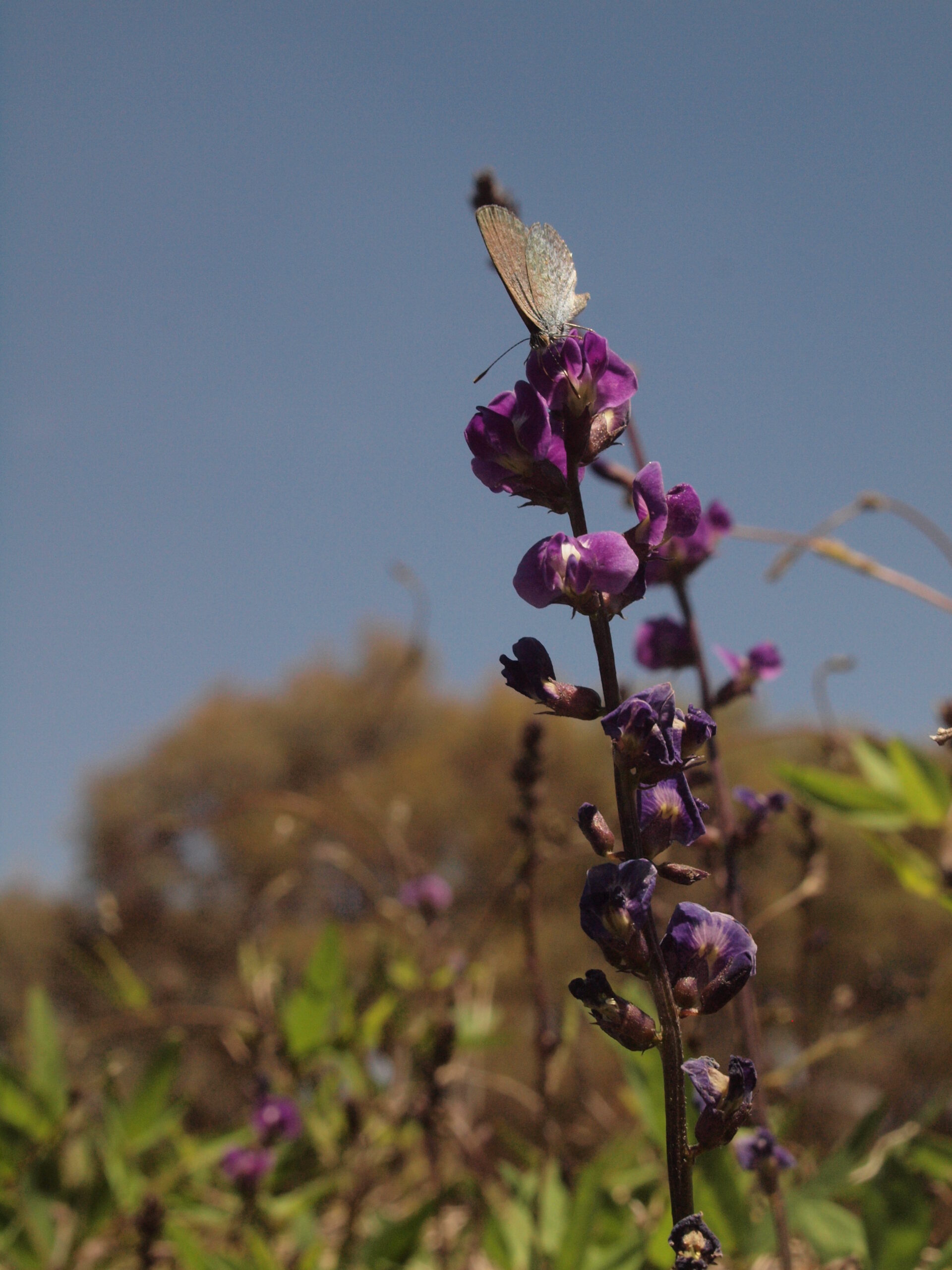
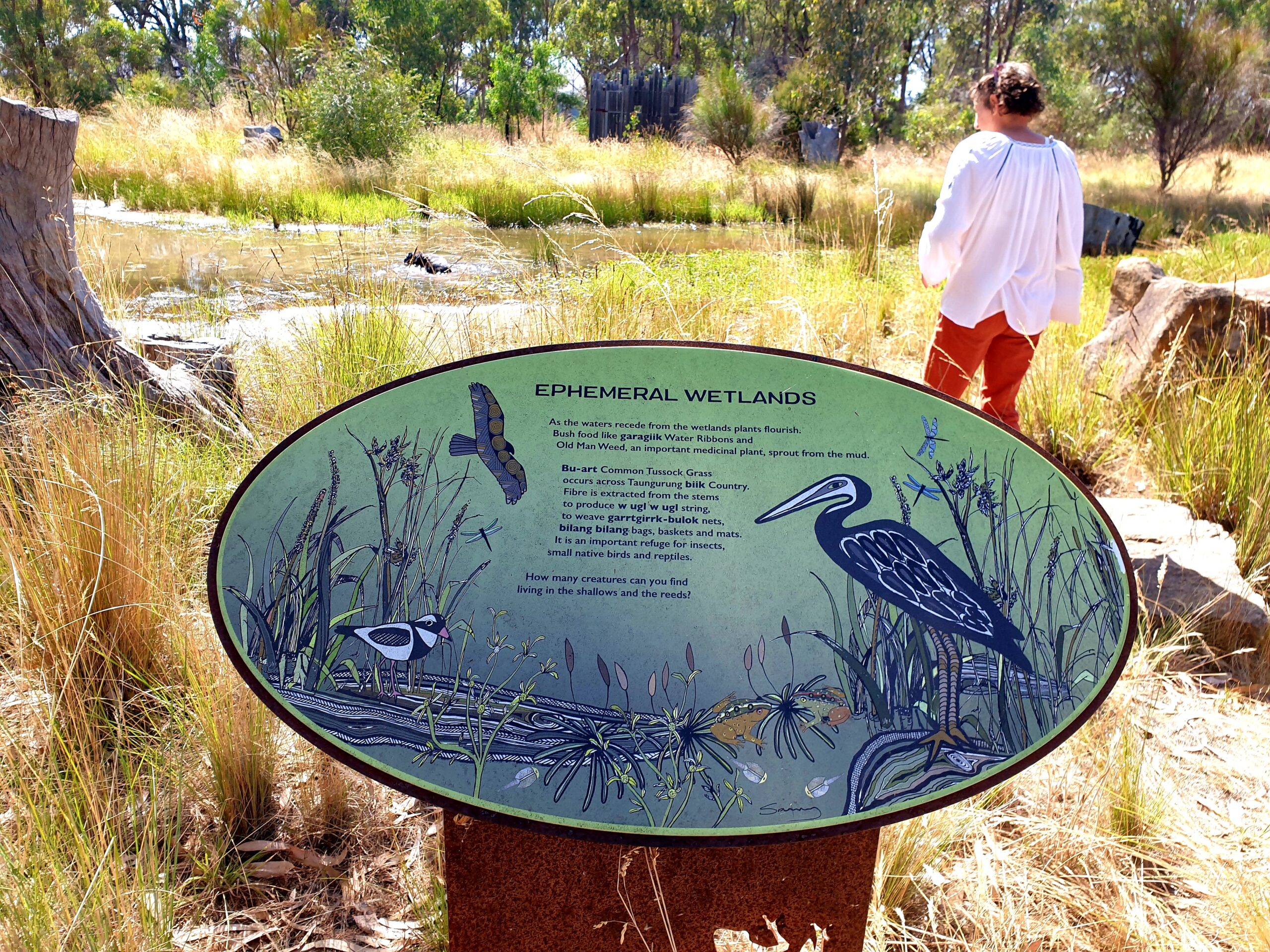
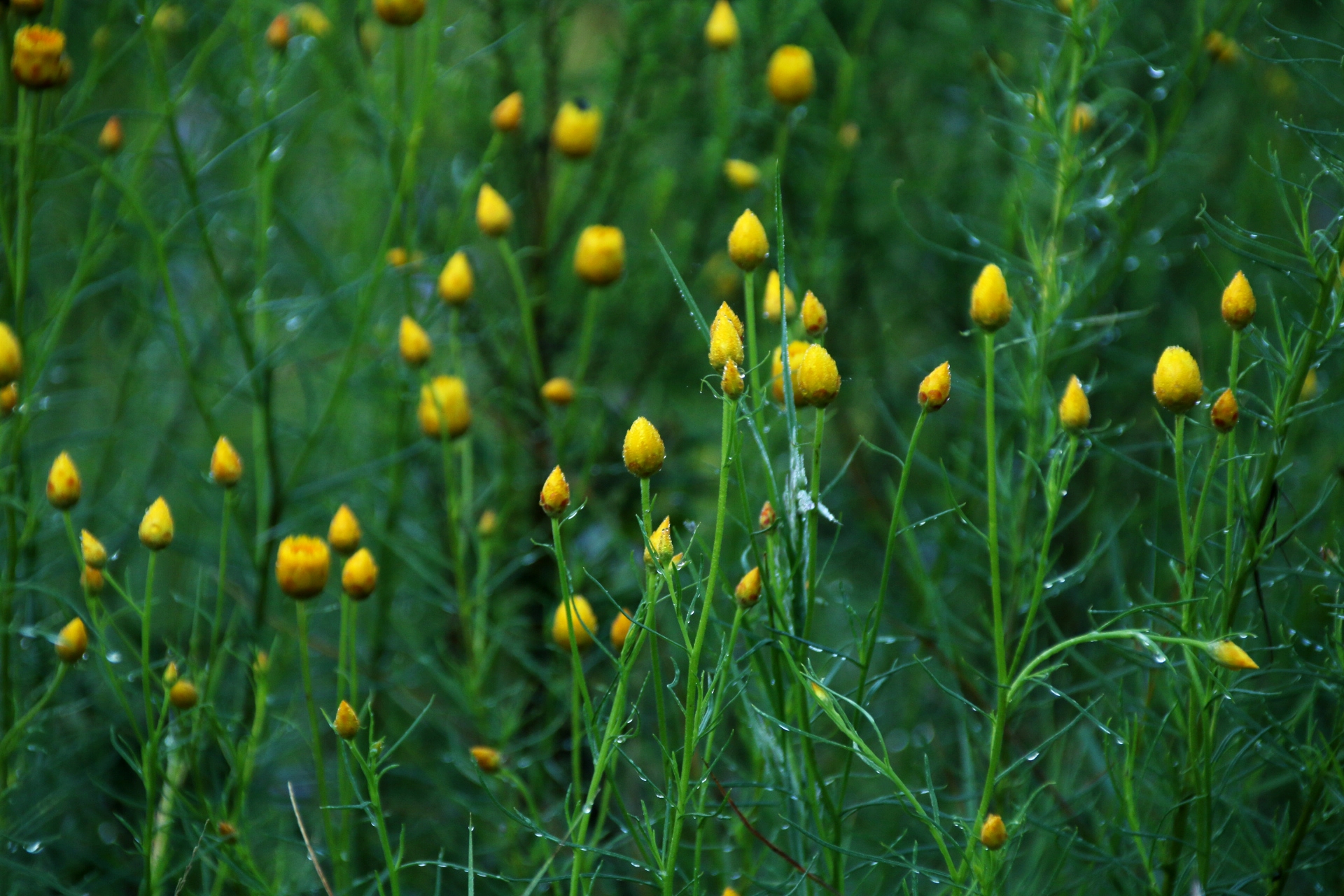
The start of spring is a time for wattles! Silver wattle starts in mid August, heralding in the kaleidoscope of wattle colour with the great yellow globes of the Golden Wattle and the subtle weeping foliage of the Varnish Wattle and Gold Dust Wattle. You’ll often find the deep purple of the Purple Coral Pea twining its way up the trunks of the shrubs, bright red of the Running Postman amongst the grasslands, and my favourite – the local Hoary Sunray bursting its socks off with bright yellow. If you stand quietly in the grassland, there is a general, low grade hum as the insects get busy and the air is sweetly fragrant with pollen. Over in the wetlands, the frogs are deafening and the tadpoles are hatching out of their eggs.

October

All shades of yellow abound in the grasslands, although we are starting to see the Chocolate Lilies spreading and flowering. I do find it hard to smell a chocolate smell, I think its more of a mild vanilla scent. Sticky Everlastings are taking over the grounds, and there are abundant gold shades amongst the yellows. We have two local bush peas – Pultenea humilis and Pultenea laxiflora, and these little ‘egg and bacon’ flowers give a different lift with orange and yellow/brown hues. We often have a Dotterel move in each year in Oct/Nov to nest near the wetlands, a range of different honeyeaters, sometimes a Crested Shrike Tit, and of course, our Diamond Firetail finches have moved into the Arb permanently and are so abundant we have to drive slowly to avoid hitting them. As the water warms up in the ponds, the yabbies get busy and our brown snakes come out of hibernation.
November

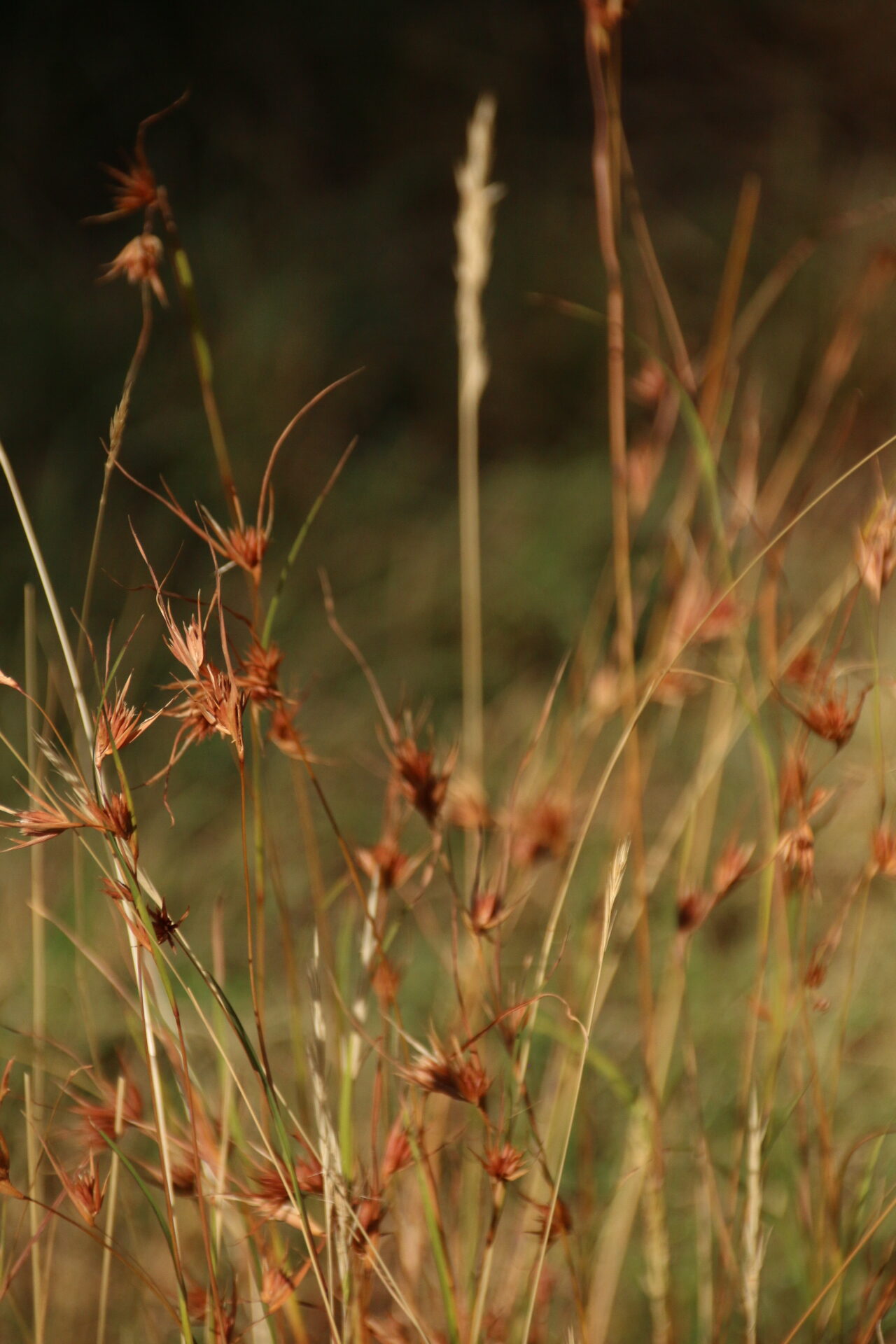
Our native grasses start to flower in November. They are so beautiful when they are backlit at sunset with a breeze playing through them. Still loads of flowers, but seed pods are forming on the wattles and the Hoary Sunrays are setting seed. We are just gearing up for our crazy seed picking and plant propagation season. Galahs and ducks are pushing babies out of their nests – you often see ducklings on the dam at this time of year. The pobblebonk frogs are calling in the ponds. They need deep pools for their tadpoles, so they start their reproduction a little later than other frogs.

December

The wetlands are starting to dry out and the wading birds have moved in to pick over the mud. Herons or spoonbills can be seen about this time. The grasslands are slowly fading in colour as they set seed. The grasses are shades of brown and the flowers fade to gold. The Kangaroo Grass really kicks off about now and is a red brown and bright green grass – particularly if there is some summer rain. Skinks, Jacky Lizards and Eastern Dragons can be found amongst the leaf litter and grass tussocks if you walk quietly.

Book now!

Don't miss your opportunity to join a wawa Euroa experience this Spring - 2023 departures: Sep 13, Oct 12, Nov 17, Dec 14 and don't miss the Arb's Wildflower Day on 28 October!

Ngun Godjin to Melbourne Water staff, who joined us on the wawa Nagambie tour today. As part of the tour we joined in the Aussie Bird Count — Australia’s biggest citizen-science event! We took a moment to slow down, listen, and notice the incredible birdlife that thrives around Tahbilk’s billabongs — a haven for native species. 
Each sighting reminds us how caring for Country begins with paying attention. 

#AussieBirdCount #WawaBiik #Nagambie #TaungurungCountry #CaringForCountry #BirdlifeAustralia #Tahbilk
Birdlife Australia runs an annual Aussie Bird Count to inspire everyone to take notice of our little feathered friends and get familiar with bird movements. As they say, noticing birds is the first step towards caring about them – and where conservation begins. 

Today on our wetlands cruise at Tahbilk we took the opportunity to participate in the bird count – Australia’s biggest citizen-science event. 

Over 100 species of native birds have been recorded at Tahbilk and during our cruise we spotted: 

Australian Pelicans x 6
Black swans x 5
Azure Kingfisher x 2
Cormorants x 8
Dusky Moorhens x 4 
Australian Magpies x 4
Scarlet robin x 2
Australian Ravens x 2

Tahbilk are committed to nurturing this remarkable environment. Together with the Goulburn Broken Catchment Management Authority, they’ve invested in long-term habitat restoration—from planting native vegetation to fencing out livestock and controlling invasive weeds.

They’ve also installed nesting boxes for wildlife and are managing pest species like foxes and rabbits to give native fauna the best chance to flourish.

Observing life around these billabongs always presents something new and exciting. 

#taungurungcountry #visit_tahbilk #goulburnregiontourism #birdlifeoz #billabongs #culturaltours #birdsofaustralia
This website and any content on this website are protected by the Copyright Act 1968 (Cth), and may also contain Indigenous Cultural and Intellectual Property (ICIP). All rights are reserved.
You may only deal with the content of this website with the prior written consent of TLaWC, the copyright owner and/or the Traditional Custodians of that ICIP, and with attribution. Contact communications@tlawc.com.au for enquiries about permitted reproductions. Visitors who book cultural experiences through this website must comply with the wawa biik Standard Booking Conditions, available here.